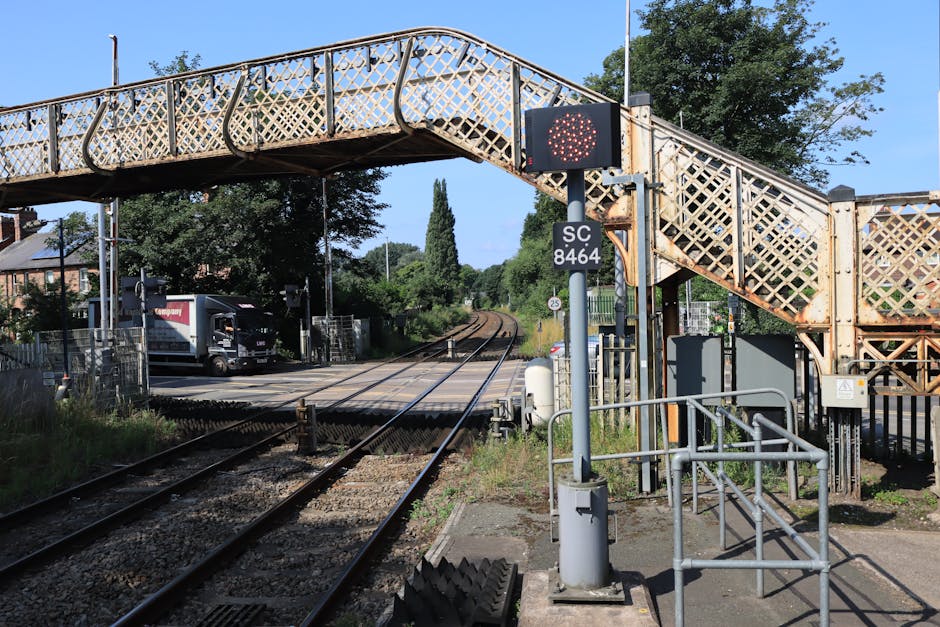
Enfield Town station removals route planning tips for a smoother move
If you are planning a move near Enfield Town station, route planning is not a small detail. It can be the difference between a calm moving day and one filled with awkward turns, blocked access, and a van that seems to arrive right when the pavement is busiest. These Enfield Town station removals route planning tips are designed to help you think ahead, avoid common pinch points, and keep your move practical from start to finish.
The area around a station is rarely simple. You may have pedestrian traffic, narrow streets, busy pickup spots, school-run pressure, and timing issues all in the same morning. That is why the best removals plans are not just about packing boxes. They are about getting the vehicle, the access route, the building entrance, and the unloading sequence lined up properly. Let's face it, when the route works, everything else feels easier.
This guide walks through the local logic behind route planning, how to prepare, what to avoid, and when to use extra support such as man and van help, small removals, or even removals and storage if your move needs a staged approach. No fluff. Just the kind of advice that actually saves time.
Table of Contents
- Why route planning around Enfield Town station matters
- How removals route planning works in practice
- Key benefits and practical advantages
- Who this is for and when it makes sense
- Step-by-step guidance
- Expert tips for better results
- Common mistakes to avoid
- Tools, resources and recommendations
- Law, compliance, standards and best practice
- Options, methods and comparison table
- Case study or real-world example
- Practical checklist
- Conclusion
- Frequently asked questions
Why Enfield Town station removals route planning tips Matters
Route planning matters because a move is time-sensitive and the area around a station can be less forgiving than a quiet residential road. If your removal vehicle cannot stop safely, if it has to circle several times, or if it lands on the wrong side of the street at the wrong moment, the whole schedule can slip. One small delay has a habit of becoming three.
Near Enfield Town station, the challenge is usually not one dramatic obstacle. It is the combination of many smaller ones: passing traffic, people walking to and from the station, narrow loading opportunities, and properties that do not always have generous frontage. A good plan reduces guesswork. It also reduces stress for everyone involved, including neighbours and building managers.
This is especially important if you are moving into a flat, carrying furniture, or using a vehicle that needs a clear turning space. If you are unsure whether your move will be straightforward, services such as flat removals and house removals can be matched more sensibly to the route and access conditions when planning is done early.
Expert summary: Good route planning does not just shorten the drive. It protects timing, reduces handling damage, and makes loading and unloading far less awkward. That is the real win.
How Enfield Town station removals route planning tips Works
In simple terms, route planning is the process of deciding how the removal vehicle will get to the property, where it can stop, how long it can stay there, and how the contents will move between the vehicle and the property. It is part map reading, part timing, and part common sense. Not glamorous, but very effective.
A proper plan usually starts with the two end points: your current address and your new one. From there, you work backwards. Can the vehicle access both locations? Is there a safe place to park? Are there one-way systems, traffic restrictions, or tight corners that might make a larger van unsuitable? Can heavy items be carried without crossing a long distance or a busy pavement?
Then comes sequencing. For example, if you are moving from a higher-floor flat near the station, it may make more sense to park a little further away and use a smaller, more manoeuvrable vehicle for the final stretch. If the move involves stored items, you might combine the route with short-term storage or secure storage so that only the items needed on day one are moved immediately.
A useful rule: if the route looks easy on a screenshot, test it with real-world questions. Can a van actually turn there? Can doors open fully? Will bins, railings, or parked cars get in the way? This is where practical experience beats guesswork every time.
Key Benefits and Practical Advantages
Good route planning gives you more than convenience. It gives you control. And on moving day, control is gold.
- Less delay: fewer wrong turns, fewer waiting periods, fewer last-minute surprises.
- Safer lifting: shorter carry distances reduce the risk of strain and damage.
- Better vehicle choice: you can match the van size to the street and access conditions.
- Cleaner coordination: everyone knows where to park, where to unload, and who is doing what.
- Lower stress: the day feels structured instead of chaotic.
There is also a financial angle. If a move near Enfield Town station turns out to need more time than expected, costs can rise through waiting, extra trips, or additional labour. Route planning helps you avoid those avoidable extras. If budget is part of the decision, it is worth looking at pricing and quotes early rather than leaving it to the last minute.
For businesses, the payoff can be even clearer. Office relocations near a station often have tighter timing windows because staff access, deliveries, and building management all need to line up. In those cases, office removals and office storage may help you move in stages without disrupting the working week too much.
Who This Is For and When It Makes Sense
This advice is useful for almost anyone moving near Enfield Town station, but some people benefit more than others.
You will find it especially helpful if you are:
- moving from or to a flat with limited access
- using a van that needs careful parking or turning space
- moving on a weekday morning or early evening when the area is busier
- trying to complete a move in one trip
- handling heavy items such as wardrobes, sofas, or desks
- moving with children, pets, or older relatives in the property
- combining your move with temporary storage or furniture protection
Students and renters often need quicker, lighter moves, where student storage or household storage makes the process less frantic. Families often need route planning because there are simply more boxes, more bags, and more reasons to avoid a messy staircase on a Monday morning. Truth be told, every type of move benefits from a little calm planning.
If you are moving only a few items, it may be more efficient to use local removals or small removals rather than booking a larger service than you need. The right fit matters.
Step-by-Step Guidance
Here is a practical way to plan the route without getting overwhelmed.
- Check the property access first. Look at the entrance, stairs, pathway width, door clearance, and whether there is space for lifting furniture in and out.
- Measure the awkward items. Large wardrobes, mattresses, sofa arms, and headboards are the usual culprits. Measure before the van turns up, not after.
- Decide where the van will stop. Aim for the safest legal stopping point closest to the property. Shorter distance, fewer risks.
- Plan the turn-in and turn-out. Think about how the van enters, reverses, and leaves. A simple mistake here can waste a lot of time.
- Build in a time buffer. Stations can get busy. Weather, school traffic, and loading delays are ordinary, not exceptional.
- Split the load if needed. If access is tight, move smaller items first or use a second phase with storage support.
- Confirm the order of loading. Heavy and essential items should be the easiest to reach when unloading at the destination.
A practical example: if you are moving from a first-floor flat near the station to a house a few streets away, you may decide to park on the less busy side of the road, carry lighter boxes first, and move the sofa last. That sounds minor, but it can shave off wasted effort and stop the team from repeatedly blocking the same narrow hallway.
Also, do a final walk-through the day before. It takes ten minutes. Sometimes less. But it catches the little things that cause big hassle later: a locked gate, a missing key, a lift booking you forgot to confirm, or a wheelie bin left right in the loading spot. Classic move-day nonsense.
Expert Tips for Better Results
These are the sort of tips that tend to come from being on the ground, not from sitting back and guessing.
Choose timing with the station in mind
Near a station, timing matters just as much as distance. Mid-morning can often be calmer than the school-run window or late afternoon rush. If you have flexibility, use it. Even a thirty-minute shift can make a noticeable difference.
Use the smallest practical vehicle
It is tempting to think bigger is better. Sometimes it is. But around tighter streets, a smaller van can be much easier to position. If you are not moving a whole house, a man and van arrangement can be the neatest option.
Keep the first-load items separate
Put essentials in one clearly marked group: kettle, chargers, basic tools, bedding, medication, documents, and a change of clothes. You do not want to rummage through ten boxes at 8pm looking for toothpaste. Nobody enjoys that part.
Use storage as a pressure valve
If route access is awkward, moving everything in one go may not be the smartest approach. A few items can go into long-term storage or mobile self storage while the rest of the move happens cleanly. That gives you breathing room.
Protect the route inside the property too
Good route planning is not only about the street. Hallways, lifts, stair corners, door frames, and floor coverings all matter. A well-timed move can still go badly if the internal route is cramped or not protected.
Common Mistakes to Avoid
Most moving problems are not dramatic disasters. They are small, predictable mistakes that pile up. Here are the ones worth watching for.
- Assuming parking will be easy. It often is not, especially near a station.
- Ignoring traffic patterns. A route that feels fine at 11am may be a headache at 5pm.
- Choosing a van before checking access. The vehicle should fit the route, not the other way around.
- Forgetting building rules. Some properties need lift bookings, access codes, or specific loading instructions.
- Leaving packing too late. Route planning and packing go hand in hand. One affects the other.
- Not planning for weather. Rain, dark evenings, or slippery surfaces can make short walks with boxes a lot harder than expected.
A small but common issue is overconfidence. People think, "It is only a short distance," and then the move becomes a procession of awkward trips around parked cars. Small distance, yes. Easy, not always.
If your belongings include fragile furniture or business equipment, it may also be worth using packing services or specialist protection so the route does not become the point where damage happens.
Tools, Resources and Recommendations
You do not need fancy software to plan a removals route well. In fact, a simple checklist and a sensible eye often beat anything overly complicated. Still, a few practical tools help.
- Phone camera: take photos of the front of the property, staircase, parking area, and any access obstacles.
- Measurements: door widths, stair turns, and the length of longer items.
- Notes app or paper list: keep access instructions in one place so nobody is relying on memory.
- Calendar reminders: useful for lift bookings, keys, parking notes, and handover times.
- Quote comparison: checking removals options against your access needs can reveal whether you need full service or a lighter setup.
For customers moving commercial stock, archive boxes, or equipment, business storage and document storage can be a practical bridge if office access is not perfectly aligned with removal timing.
One useful recommendation: create a one-page move brief. It should include the address, entry point, parking notes, stair count, lift details, heavy items, and any access restrictions. Keep it simple. The cleaner it is, the easier it is to follow when the day gets busy.
Law, Compliance, Standards, or Best Practice
For removals near a station, the main compliance issues are usually practical rather than dramatic, but they still matter. You should think about safe lifting, road safety, parking rules, access permissions, and insurance. If a vehicle is stopping on a public road, it must be done lawfully and with care. If a property has a managed entrance or shared communal area, the building's own rules may also apply.
Good practice usually includes:
- keeping walkways clear where possible
- avoiding obstruction of emergency access
- protecting floors and walls during handling
- using suitable team numbers for heavy lifting
- checking the removal provider's insurance and safety approach
It is sensible to review a company's insurance and safety information before the move, especially if you have valuable furniture or delicate items. If you want a sense of how a provider handles responsibility more broadly, the pages on health and safety policy, payment and security, and terms and conditions can help set expectations.
For sustainability-minded moves, it is also sensible to think about reuse and responsible disposal. Reusable packing materials, careful decluttering, and choosing the right storage option can reduce unnecessary waste. The recycling and sustainability approach matters more than people sometimes realise. Little things add up.
Options, Methods, or Comparison Table
There is no single best moving method for every route near Enfield Town station. The right choice depends on access, volume, timing, and how much flexibility you need. Here is a simple comparison.
| Method | Best for | Strengths | Watch-outs |
|---|---|---|---|
| Full removals service | Larger homes, heavier furniture, tighter timelines | Most hands-on support, better coordination, less stress | May be more than you need for a small move |
| Man and van | Smaller moves, flexible local transport, quick access jobs | Agile, cost-conscious, easier in tight streets | Less suited to very large properties or complex furniture |
| Small removals | Studios, flats, partial moves, a few bulky items | Simple and efficient, often a neat fit for station-area access | Capacity may be limited |
| Removals with storage | Phased moves, timing gaps, downsizing, renovation overlap | Reduces pressure, improves flexibility | Requires more planning up front |
If your move is split across dates or you are waiting for keys, removals and storage can be the most practical method. If you are simply moving a few items across town, a lighter option may be all you need. The right answer is usually the one that keeps access simple.
Case Study or Real-World Example
Imagine a couple moving from a second-floor flat near Enfield Town station into a terraced house a short distance away. They have a sofa, a double bed, boxed kitchenware, and a few fragile pieces. At first glance, they think a single large van will solve everything. But the more they look at the route, the clearer it becomes that the street outside the flat is narrower than expected and parking near the new house is limited at school-run time.
So they change the plan. Instead of trying to do everything in one awkward rush, they choose a smaller vehicle, move the essentials first, and store a few non-urgent items for a week. They also pack the furniture in a way that makes the front door and hallway easier to manage. Nothing fancy. Just sensible decisions made early.
The result? Fewer lift-and-carry trips, less pressure at the curb, and a much calmer handover at the new place. The move still takes effort, of course. Moving always does. But the day feels manageable instead of chaotic, and that changes everything.
That is the point of route planning. It does not remove the work. It removes the avoidable hassle.
Practical Checklist
Use this checklist the day before and again on the morning of the move.
- Confirm both addresses and access details
- Check the closest safe stopping point for the vehicle
- Measure large furniture and awkward items
- Make sure keys, codes, and lift bookings are ready
- Protect floors, corners, and furniture where needed
- Separate essentials from non-essential boxes
- Keep phone numbers for the mover and building contact handy
- Review weather, timing, and traffic pressure
- Plan whether any items should go into storage first
- Walk the route from van to door once before unloading starts
If you are juggling work, children, or a tight moving window, it helps to be ruthless about simplicity. Do fewer things at once. That is not weakness, it is strategy.
Conclusion
Well-planned route handling can turn a potentially awkward move near Enfield Town station into something calm, organised, and far more predictable. The main idea is straightforward: think about the street, the access, the vehicle, and the timing before moving day arrives. When those parts fit together, the rest follows more smoothly.
Whether you need a full removal, a lighter local move, temporary storage, or help with packing and furniture handling, the smartest decision is usually the one that reduces friction early. That may sound obvious, but in practice it saves time, effort, and a fair amount of stress.
Get a free quote today and see how much you can save.
And if you are still weighing up the best setup, start with the route, not the boxes. The route tells you almost everything you need to know.
Frequently Asked Questions
What are the best Enfield Town station removals route planning tips for a flat move?
For a flat move, focus on parking, stair access, and the shortest safe walking route between the van and the entrance. If the street is narrow or loading is awkward, using a smaller vehicle or flat removals support can make the day much easier.
How early should I plan my removals route?
Ideally, start a few days before the move, not the night before. That gives you time to check access, measure larger items, and sort out any storage or packing needs. A quick day-before review is still worth doing.
Is a man and van enough for moving near Enfield Town station?
Sometimes yes, especially for smaller homes, lighter loads, or short-distance moves. If you only have a few bulky items or a compact flat, a man and van arrangement may be the most practical fit.
What should I do if parking is tight near the station?
Look for the safest legal stopping point closest to the property and allow extra time for walking items. If access is really constrained, consider a smaller vehicle, split loading, or moving some items into storage first.
Does route planning help reduce moving costs?
Yes, often indirectly. Good planning can reduce waiting time, repeated trips, and unnecessary handling. It can also help you choose the right service level, which is where pricing and quotes become useful.
Should I use storage during a station-area move?
If your timing is awkward, you are downsizing, or access is limited, storage can be a very sensible option. Services like short-term storage or long-term storage can remove pressure from the move itself.
What if my new property has a narrow hallway or stairs?
Measure the route inside the property as well as the street outside. Large furniture may need to be carried differently, dismantled, or protected more carefully. If the items are awkward, plan that before the van arrives.
Are there special safety concerns for removals near a station?
The main concerns are pedestrian traffic, vehicle movement, and safe lifting. You want to avoid blocking footpaths, keep the loading area clear, and make sure everyone knows where they are walking. A few extra minutes of care are worth it.
Can removals and storage be combined in one move plan?
Absolutely. In fact, that is often the neatest solution when the route is tight or the move is happening in stages. Removals and storage can help you avoid trying to do everything in one stressful push.
What is the biggest mistake people make with removals route planning?
The biggest mistake is assuming the route will sort itself out on the day. It rarely does. A move goes better when the access, timing, and vehicle choice are checked in advance. It sounds basic, but that is the point.
Do I need packing services if the route is short?
Not always, but they can still be useful. A short route does not protect fragile items from damage during handling. If you have delicate or awkward belongings, packing services can save time and reduce risk.
How do I know whether I need small removals or a bigger service?
Count the volume of items, the access difficulty, and how much heavy lifting is involved. If you are moving a few rooms or lots of furniture, a bigger service may be better. If it is a lighter move, small removals could be the smarter choice.
Where can I get help choosing the right option?
Start by reviewing the service pages that match your situation, then compare them against access and timing. If you need guidance, the best next step is usually to ask for a tailored quote and talk through the route details clearly.