What to know about access problems for Enfield Town removals
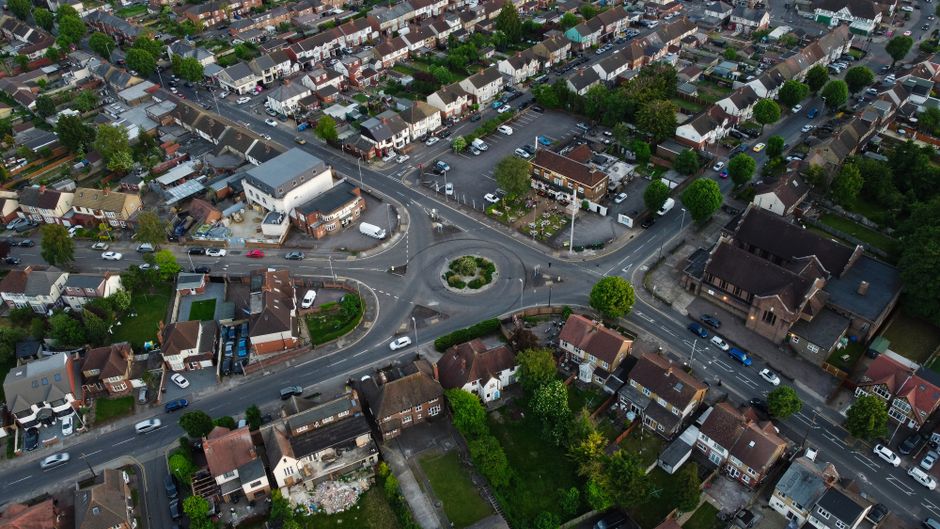
If you are planning a move in Enfield Town, access can make the whole day feel either smooth or needlessly stressful. Narrow streets, tight staircases, awkward parking, low branch cover, shared entrances, and lift restrictions can all slow things down before the first box is even carried out. That is why understanding what to know about access problems for Enfield Town removals matters so much. A move is not just about distance or volume; it is about whether the removals team can actually reach the property, load safely, and leave without delays.
Truth be told, many people only spot access issues on moving day, when the van is already outside and everyone is watching the clock. A little planning earlier can save time, money, and a fair bit of frustration. In this guide, you will find practical advice on common access problems, how they affect the move, how to prepare, and what to do if your property is awkward to reach. We will also cover useful next steps, sensible comparisons, and real-world tips that help in ordinary Enfield Town streets, estates, flats, and shared houses.
Why access problems in Enfield Town removals matter
Access problems sound small on paper. In real life, they can shape the entire move. A van that cannot park close enough to the door means more carrying, more time, and more risk of damage. A staircase that turns sharply at the landing can make oversized furniture difficult to move without dismantling. A shared entrance with no lift booking slot can mean waiting around while the day slips away. That is the reality, and it is worth facing early.
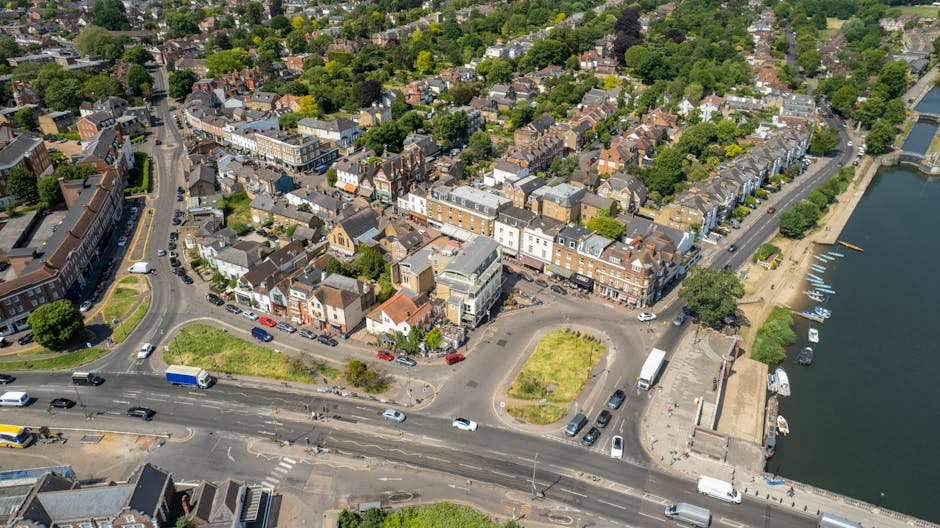
For Enfield Town in particular, the mix of terraced streets, flats above shops, older residential layouts, and busy local roads can create practical hurdles. Some homes are easy enough for a standard van and a couple of strong runs back and forth. Others need careful route planning, parking consideration, or a smaller vehicle option. The point is not to make the job sound harder than it is. It is to avoid the classic moving-day surprise: "Oh, we did not realise the sofa would never fit up there."
When access is understood properly, the rest of the move becomes easier to schedule and safer to carry out. That usually means fewer delays, less stress, and a more accurate quote. And yes, that bit matters too.
How access problems are assessed and managed
Good removals planning starts with a basic access check. A mover will usually want to know where the property is, what kind of building it is, how close a van can get, whether there is parking nearby, and whether anything inside the property is likely to be awkward. The idea is simple: if the team knows the obstacles before arrival, they can bring the right crew size, equipment, vehicle type, and packing approach.
In practice, access is often assessed in layers:
- Outside access - parking restrictions, narrow roads, resident bays, loading limits, low bridges, or corner turns.
- Building access - stairs, lifts, door widths, communal entrances, security systems, and time windows for entry.
- Internal access - tight hallways, split levels, loft conversions, cellars, boxed-in radiators, or furniture that does not want to behave.
- Collection and delivery access - whether the destination has the same issues, because that can affect the full day.
This is where a quick site visit or a good set of photos can be incredibly useful. A couple of pictures of the front entrance, staircase, driveway, and street view can tell an experienced team more than a long back-and-forth of text messages. If you are booking a more complex move, that is often the difference between a smooth plan and a hopeful guess. Nobody wants a hopeful guess on moving day.
Some moves can also be improved with specialist services. For example, if you are dealing with limited space, a smaller vehicle option like man and van support or a carefully sized small removals service may suit the job better than sending a larger lorry into a cramped street. If extra time is needed between moving out and moving in, pairing the move with removals and storage can help reduce pressure. That flexibility can be a lifesaver, frankly.
Key benefits of planning access properly
Access planning is not just a box-ticking exercise. It produces real benefits that people feel on the day and after the move.
- Faster loading and unloading - closer parking and clear routes save carrying time.
- Lower risk of damage - fewer awkward lifts and fewer tight turns mean less chance of scuffs and knocks.
- More accurate pricing - the more a mover knows, the more realistic the quote tends to be.
- Better crew planning - the right number of people can be allocated, which makes a difference on stairs and in long carries.
- Less stress - no one enjoys improvising with a wardrobe in a narrow hallway while the kettle is packed away somewhere unknown.
- Safer handling - furniture, flooring, and walls all benefit when the route is clear and the lift plan is sensible.
There is also a quieter benefit: confidence. When you know access has been thought through, you stop second-guessing everything. You can focus on getting the keys, managing the handover, and keeping the day moving. That mental relief is worth a lot.
Expert summary: Access issues are usually manageable if they are identified early. The biggest problems happen when people assume the move will "just work out" on the day. In removals, it rarely works that way.
Who needs this guidance and when it helps
This guide is useful for anyone moving in or out of Enfield Town, but it is especially relevant if your property has one or more of the following:
- a flat above ground level without a lift
- shared access through a narrow entrance or courtyard
- parking restrictions or permit-only roads
- a long carry from the van to the front door
- large furniture, white goods, or awkward items
- limited turning space for vehicles
- busy roads where waiting outside is not realistic
- stairs, split levels, or loft rooms
It also matters if you are moving business items, not just household belongings. Office equipment, archive boxes, desks, and filing cabinets can create their own access headaches. A small office on a busy street can be much trickier than a larger unit with service access, even if the volume is lower.
To be fair, many people only realise access is an issue once they start measuring the sofa against the hallway wall. That is usually a bit late. If you are at the planning stage, you are in the best position to make the move easier.
Step-by-step guidance for a smoother move
Here is a practical way to handle access problems without overcomplicating things.
- Check the street access first. Look at parking, road width, loading restrictions, and whether a van can stop nearby without causing trouble. If the street is tight, note where a legal stop might be possible.
- Measure the awkward bits. Doorways, stair width, tight bends, lift dimensions, and ceiling height can all matter. Don't assume a sofa will squeeze through because it "looks fine". It often won't.
- List the bulky items. Beds, wardrobes, sofas, dining tables, American-style fridges, exercise equipment, and pianos need special attention. Even a simple chest of drawers can be awkward if the stairs are unforgiving.
- Take photos or a short video. A quick walkthrough video of the entrance, hallway, stairs, and street can help a removals team assess the job accurately.
- Tell the mover about restrictions early. Mention permits, time limits, concierge rules, controlled parking zones, or estate barriers before the quote is final.
- Plan for disassembly if needed. Some furniture is easier, cheaper, and safer to move after partial dismantling. That is not a failure; it is just sensible.
- Prepare for extra carrying distance. If parking is not close, make sure the team knows whether there is a long walk, steps, or a rear entrance.
- Protect floors and entry points. If the route involves shared areas or freshly painted walls, coverings may help reduce marks and friction.
- Build in a bit of time. Access delays happen. They are not rare. A small buffer helps everything feel less rushed when someone is standing in the lift lobby waiting for permission.
A simple rule works well here: if anything looks awkward to you, tell the removals company. Experienced teams would much rather know early than discover it while carrying a mattress around a tight corner. Nobody enjoys that part.
Expert tips for better results
In our experience, the best results come from planning access like a project, not like a guess. A few small habits make a big difference.
Give the full picture, not the shortest version
It is tempting to say, "The house is fine, just normal access." But normal for whom? A side gate that opens onto a slope, a first-floor flat with a thin stairwell, or a loading bay that cannot be used before 10 a.m. are all details worth sharing. The clearer the picture, the easier it is to avoid surprises.
Use photos to settle disputes before they start
A picture can clarify more than five messages. If you think a wardrobe might not fit, photograph the piece and the route. It sounds almost too basic, but that small step can prevent a whole debate later. And let's face it, nobody wants to be arguing over tape measures while the clock is ticking.
Ask about vehicle size options
Sometimes the right answer is not a bigger lorry. Sometimes it is the opposite. A smaller vehicle, a shuttle transfer, or a different loading plan can be far more practical on a narrow Enfield Town street. The best option depends on the road, the items, and the timing.
Think about the destination too
People often focus on the property they are leaving, then forget the one they are going to. If the new home has tighter access, fewer parking options, or more stairs, plan for that in advance. It may even affect the order in which items are loaded.
Keep one clear route through the property
It sounds obvious, but clutter is one of the biggest self-inflicted access problems. Boxes in hallways, coat stands, shoe racks, laundry baskets, and loose cables all slow the team down. A clear path is simple help. Simple, but powerful.
Common mistakes to avoid
A lot of access trouble comes from a few repeated mistakes. Once you know them, they are easy to dodge.
- Assuming parking will sort itself out. If you need a permit or a loading plan, deal with it early.
- Not checking furniture dimensions. That "slim" wardrobe may be slimmer in theory than in practice.
- Forgetting about the delivery side. The new property can be just as awkward as the old one.
- Leaving clutter in the route. Boxes, bags, and loose items create avoidable friction.
- Underestimating stair difficulty. A narrow staircase with a bend can turn a simple move into a tricky one.
- Not telling the mover about timed access windows. Building management or concierge rules can affect timing a lot.
- Choosing a quote without explaining the access conditions. A quote based on "standard access" may not fit a more difficult property.
One small but important point: try not to hide difficult details because you are worried they will make the quote higher. If access is awkward, it is better for everyone to know. Surprises on the day tend to cost more than honesty up front.
Tools, resources and recommendations
You do not need specialist equipment to plan access well, but a few basic tools are genuinely useful.
- Measuring tape - for doorways, stairs, furniture, and lift dimensions.
- Phone camera - to send images or videos of the property and access route.
- Notepad or moving checklist - to track restrictions, key timings, and item sizes.
- Sticky notes or labels - especially useful when items may need to go through the property in a particular order.
- Floor protection materials - helpful if you are concerned about shared hallways or polished floors.
There are also a few service pages on this site that may be useful depending on the kind of move you are handling. If you need a full home move, the house removals page is a sensible starting point. For smaller properties or compact loads, flat removals may be more relevant. If the move is local and simple but access is still a concern, local removals can be the better fit.
For packing support, the packing services page can help if you would rather leave the prep to someone experienced. And if you need temporary space because access timing is messy, short-term storage or secure storage may take the pressure off. That sort of backup option can make a difficult move feel a lot more manageable.
Law, compliance, standards and best practice
Access problems are not just about convenience. There are practical compliance and safety issues to think about as well. In the UK, removals work should be carried out with proper attention to health and safety, safe lifting, and the protection of people and property. The specifics depend on the situation, but the principle is straightforward: no one should be asked to take avoidable risks because a route was not planned properly.
If parking or loading restrictions apply, they should be respected. That may sound obvious, yet it is easy for moving-day pressure to tempt people into making poor choices. Best practice is to plan legal parking or loading arrangements in advance and not rely on "we will just be quick". That rarely feels quick once you have a sofa in your hands.
It is also sensible to ask about insurance, especially where access is tight or items are valuable. A reputable provider should be able to explain how they approach handling, route protection, and liability in a straightforward way. On the customer side, it helps to be accurate and honest about difficult access so that expectations are realistic from the start.
For business moves, there may be extra considerations around building rules, shared corridors, fire exits, or out-of-hours access. If you are moving from an office or commercial unit, it is worth checking the building's rules early and keeping the process organised. A little care here avoids awkward phone calls later.
As a matter of best practice, a good removals plan should include:
- clear access details for both properties
- vehicle and parking planning
- safe handling for bulky or fragile items
- confirmation of timing windows or restrictions
- a realistic plan for any long carry or awkward stairs
Options and comparison table
Different access problems call for different solutions. The best choice depends on the property, the load, and how much time you have on the day.
| Approach | Best for | Advantages | Trade-offs |
|---|---|---|---|
| Standard removals van | Homes with decent street access and normal parking | Simple, efficient, often cost-effective | Can struggle on narrow roads or with very limited parking |
| Smaller van or man and van | Compact loads, tight streets, smaller properties | More flexible in difficult access areas | May require multiple trips for larger moves |
| Team with dismantling support | Bulky furniture, awkward staircases, tight doorways | Helps items fit through restricted routes | Can add time and may need specialist tools |
| Removals plus storage | Moves with timing gaps or access delays | Reduces pressure if the new property is not ready | Requires planning for packing and storage duration |
| Full-service packing and removals | Busy households, complex moves, or time-poor customers | Smoother preparation and better item control | Higher overall cost than self-packing |
There is no single best option for every move. A smaller van sounds cheaper until the job needs four trips. A huge vehicle sounds efficient until it cannot park anywhere sensible. The right answer is usually the one that fits the access, not the one that looks best on paper.
Case study: a real-world Enfield Town move
Here is a realistic example. A couple moving from an upper-floor flat near the town centre had limited outside space, a narrow stairwell, and a sofa that looked acceptable in the living room but behaved like a stubborn piece of architecture when lifted. The street had busy daytime parking and only a short window where a vehicle could stop close to the building.
Instead of turning up and hoping for the best, the move was planned around the access constraints. Photos of the entrance and stairs were shared in advance. The couple measured the main furniture items, and the removals team suggested partial dismantling for the bed frame and a more suitable vehicle size. One collection was scheduled a little earlier in the day to improve the parking chance. Nothing dramatic, just sensible planning.
On the day, the loading went much more smoothly than expected. There was still a long carry, and yes, one corner was awkward. There always is. But because the access had been explained properly, the team came prepared, the items were handled safely, and the move stayed calm enough for the clients to keep track of everything without panic.
The lesson is simple. Even awkward access is usually workable. The trouble starts when nobody says what the access is actually like.
Practical checklist
Use this checklist before moving day. It is basic, but it saves headaches.
- Measure doorways, stairs, lifts, and tight corners.
- Check street parking, permit rules, and loading restrictions.
- Take photos of both properties, inside and out.
- List every large or awkward item.
- Tell the removals company about any long carry or shared access.
- Confirm whether furniture needs dismantling.
- Clear hallways, landings, and entrances.
- Protect floors and vulnerable surfaces if needed.
- Check timing windows for building access or key collection.
- Have a backup plan if the van cannot park directly outside.
If you can tick most of those off, you are already ahead of the curve. Not perfect, maybe. But comfortably better prepared than most.
Get a free quote today and see how much you can save.
Conclusion
Access problems do not have to derail a move in Enfield Town. They just need to be identified early and handled with a bit of common sense. Narrow roads, stairs, parking restrictions, shared entrances, and bulky furniture are all normal moving challenges, not deal-breakers. Once you know what the access looks like, you can choose the right vehicle, the right crew, and the right timing.
The real win here is confidence. You know what is likely to work, what might need a plan B, and where the risk points are. That makes the day feel less like a scramble and more like a move. And honestly, that is what most people want: fewer surprises, fewer scuffed walls, and a calmer journey from one door to the next.
If you are preparing a move now, take ten minutes to look at the access properly. It is a small bit of effort that can make the whole day feel easier. Sometimes, that is all it takes.
Frequently Asked Questions
What are the most common access problems for Enfield Town removals?
The most common issues are limited parking, narrow streets, stairs, small lifts, long walking distances from the van, and awkward front entrances. Flats above shops and older terraced streets often create the trickiest access.
How do I know if my property has difficult access?
If the van cannot park close to the entrance, if furniture has to turn sharply on stairs, or if there are restrictions on when you can load or unload, access is likely more difficult than average. Photos and measurements usually make that clear pretty quickly.
Should I tell the removals company about access problems before booking?
Yes, absolutely. The earlier you explain the access, the more accurate the quote and the better the planning. Waiting until moving day can lead to delays, extra labour, or a vehicle that is not quite right for the job.
Will access problems make my move more expensive?
They can, depending on how much extra time, labour, or equipment is needed. A long carry or lots of stairs usually adds work. That said, clear information up front often helps avoid unexpected charges later.
Do I need to measure my furniture before moving?
It is strongly recommended, especially for sofas, wardrobes, beds, and other large items. Measurements help work out whether items can fit through doorways, around corners, or into lifts without damage.
What if my road is too narrow for a large removals van?
In that case, a smaller vehicle or a shuttle-style transfer may be more practical. Some moves are simply better suited to a compact van rather than trying to force a bigger vehicle into a tight space.
Can a removals team dismantle furniture if access is tight?
Often, yes. Many items can be partially dismantled to make them easier to move. It is worth asking in advance so the team can bring the right tools and allow time for the work.
What should I do if my flat has no lift?
Let the removals company know how many floors there are, whether the staircase is narrow, and whether there are any turns or landings that could be awkward. This helps them plan the crew size and the order of loading.
Is it worth using storage if access is awkward at either property?
Yes, sometimes it is a very practical solution. If the move-out and move-in timings do not line up neatly, storage can reduce pressure and make the access challenge easier to manage.
How far in advance should I discuss access issues?
As soon as you start getting quotes is best. Early discussion gives the removals team time to suggest the right vehicle, crew, and packing plan, rather than scrambling later.
What details should I share when requesting a quote?
Share the property type, floor level, parking situation, stairs, lift access, large items, any timed restrictions, and whether either address has a long carry. A photo or video is even better if the access looks tricky.
Are access problems a deal-breaker for moving in Enfield Town?
Usually not. Most access issues can be handled with planning, the right vehicle, and the right approach. The main thing is honesty early on, because that is what makes the move manageable rather than chaotic.